
 Relationships & Dating
 Why Do You Choose Partners You “Need to Fix”?
 December 5, 2025
 6 minute(s)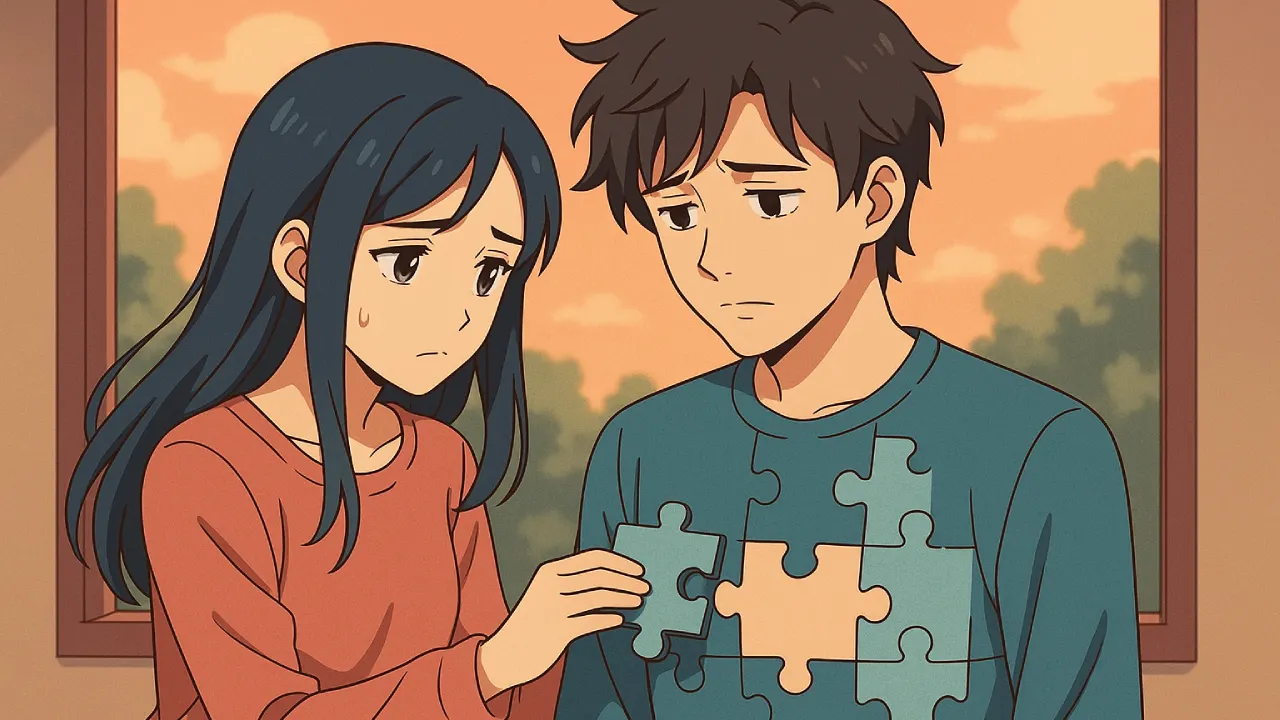
Have you ever found yourself drawn to someone who seems emotionally unavailable, lost, or in need of saving?
Maybe you’ve fallen for a partner with deep wounds, bad habits, or self-destructive tendencies – and you feel an irresistible pull to “help” or “fix” them.
At first, it can feel noble, even romantic – like your love has the power to heal.
But over time, this pattern often leaves you drained, unfulfilled, and questioning why you keep ending up in the same kind of relationship.
Choosing partners you feel compelled to fix isn’t random – it’s often rooted in early emotional experiences and unconscious beliefs about love, worth, and connection.
In this article, you’ll discover why you might be drawn to emotionally unavailable or wounded partners – and how this pattern may be rooted in past experiences, not present choices.
We’ll explore the psychology behind the “fixer” dynamic, how it drains your self-worth, what a healthy relationship really looks like, and what steps you can take to break the cycle
Understanding why this happens is the first step toward breaking free from it.
Why You’re Drawn to Partners You Want to Fix?
There are several reasons for this behaviour but we listed 4 of the most common ones.
1. Unresolved Childhood Wounds
Our earliest experiences of love shape how we understand and seek it as adults.
If you grew up in an environment where affection was inconsistent, love felt conditional, or chaos was the norm, your nervous system learned to equate instability with connection.
Unconsciously, you might now seek relationships that recreate those familiar emotional patterns – not because they make you happy, but because they feel safe in their familiarity.
Trying to “fix” someone who’s emotionally distant or volatile becomes a way of trying to fix your past – to finally earn the love or validation you were once denied.
2. Low Self-Worth
When you believe your value depends on what you do for others rather than who you are, you might be drawn to partners who need rescuing.
Helping someone gives you a sense of importance, purpose, and identity.
But this kind of love can quickly turn into self-sacrifice.
You pour all your energy into someone else’s healing while neglecting your own needs, hoping that your devotion will make you “enough” to be loved in return.
Unfortunately, it rarely does – and often leaves you feeling unseen and depleted.
3. Fear of Abandonment
Choosing partners who are dependent, broken, or unstable can create an illusion of control. If they need you, they can’t leave you – right?
This subconscious logic can make emotionally unavailable partners strangely appealing because they allow you to stay in a position of power or purpose.
But what starts as protection from abandonment often leads to the very loneliness you’re trying to avoid.
Relationships based on need instead of equality rarely feel safe or sustainable.
4. The Caretaker Role
Some people are natural empaths and nurturers.
You feel others’ pain deeply and instinctively want to make it better.
While empathy is a strength, it can blur into over-responsibility.
When you equate love with taking care of someone or managing their emotions, you may end up confusing compassion with obligation.
True love supports growth – it doesn’t shoulder it.
You can walk beside someone as they heal, but you can’t walk for them.
This Pattern Is Harmful
At first, “fixer” relationships can feel deeply meaningful.
You believe you’re making a difference in someone’s life, and your partner’s small improvements might even feel like proof of love.
But over time, this dynamic often becomes unbalanced and emotionally draining.
When you focus on saving someone else, you risk losing yourself.
Your needs, dreams, and boundaries fade into the background. You start measuring your worth by their progress – a progress you can’t control.
This cycle breeds frustration, resentment, and exhaustion. It can also trap you in relationships that are one-sided or unhealthy, because walking away feels like abandoning someone who “needs” you.
The painful truth is that real change doesn’t come from being fixed – it comes from within.
Love can inspire healing, but it can’t replace the personal responsibility and inner work that true growth requires.
How to Break the Cycle?
- Reflect on Your Patterns
Awareness is always the first step.
Ask yourself:
- What attracts me to people who need fixing?
- How do I feel when I’m helping or rescuing someone?
- Do I confuse love with responsibility or control?
Keeping a journal can help you trace emotional patterns back to their origins.
Understanding them with compassion – not judgment – is key to shifting them.
- Build Self-Worth Outside Relationships
The stronger your sense of self, the less likely you are to seek validation through saving others.
Invest in activities, friendships, and goals that bring you joy and confidence independently of your romantic life.
Discover passions that remind you of your value simply for being you.
When your self-worth grows, your standards for love naturally evolve too.
- Set Healthy Boundaries
Love is not fixing.
Support your partner without trying to rewrite their story.
Recognize when empathy turns into enabling – and when caring turns into self-neglect.
Healthy relationships are partnerships of equals.
You can offer support, but not at the cost of your own emotional well-being.
If your love feels more like a rescue mission than a connection, it’s time to reevaluate.
- Seek Professional Support
Patterns rooted in early attachment wounds or trauma can be difficult to unravel alone.
Therapy or counseling can help you uncover the unconscious beliefs driving your choices and teach you healthier ways to relate.
Working with a therapist allows you to heal not just your relationships, but the deeper parts of yourself that learned love must be earned through effort or sacrifice.
The Path to Healthier Love
Breaking the “fixer” cycle doesn’t mean you stop caring or lose your empathy.
It means you start directing some of that care inward – learning that your worth isn’t tied to anyone else’s healing.
When you choose partners who meet you as an equal – not as a project – you open the door to relationships based on mutual respect, authenticity, and growth.
Not everyone is ready for that step, and not everyone knows where to begin.
Chaptly offers a gentle entry point.
It’s a guided healing app that helps you work through emotional wounds, attachment patterns, and self-worth.
And the best part?
It only takes 8–12 minutes a day.
Through small missions and reflective exercises, Chaptly helps you:
- understand why you’re drawn to certain partners
- break trauma-bonding cycles
- build self-trust and inner stability
- strengthen boundaries
- develop healthier relationship expectations
- reconnect with your own needs
It isn’t a replacement for therapy – but it is an accessible, structured tool for people who want to begin the healing process and build a healthier relationship with themselves.
Because true love isn’t about changing someone. It’s about accepting them as they are – while continuing to grow together.
- share
-

-

-

-

-